A precise technique to ease tension at its source
Dry needling is a targeted technique physiotherapists use to release tight muscle bands and trigger points. It's usually combined with hands-on treatment and exercise as part of a broader plan — not used on its own, and not as daunting as most people expect.
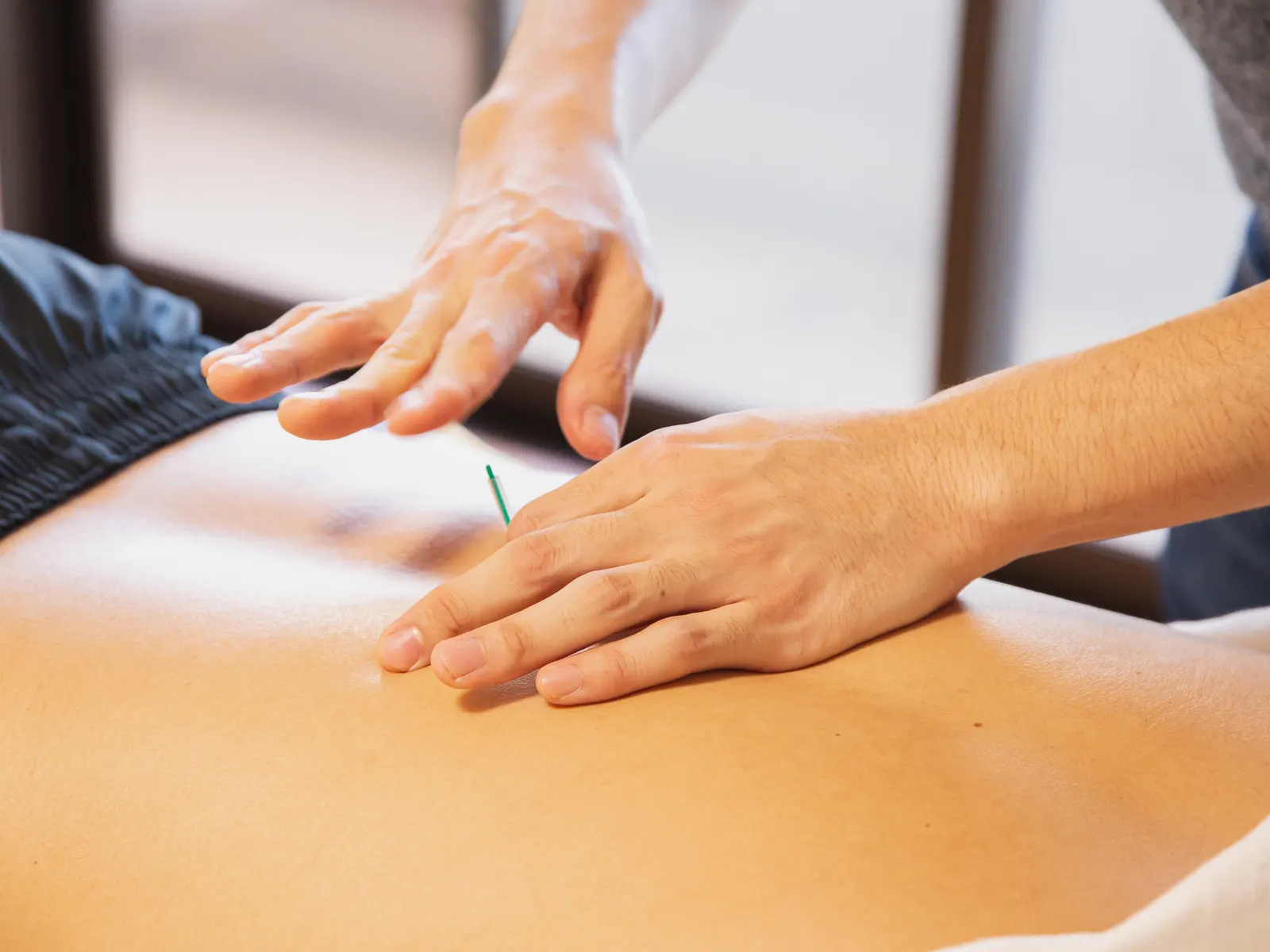
- Always explained and consented to before use
- Usually a dull ache or brief twitch, not sharp pain
- Single-use, sterile needles for every patient
What we target with each treatment
Dry needling is a physiotherapy technique — distinct from traditional Chinese acupuncture — that uses thin, single-use needles to release tight bands within a muscle, known as trigger points. It's typically used alongside other hands-on treatment, not as a stand-alone therapy.
What happens in your session
Assessment
We identify the tight muscle bands and trigger points contributing to your pain or restriction.
Explanation & Consent
We explain what to expect — usually a dull ache or brief muscle twitch, not sharp pain — before proceeding.
Needle Insertion
Thin, single-use sterile filament needles are briefly inserted into the affected muscle.
Combined Treatment
Often paired with soft tissue therapy and exercise in the same session for a fuller release.
Aftercare Advice
Mild soreness for 24–48 hours is normal — we'll guide you on hydration and gentle movement.
Tap a condition for more detail
Myofascial Trigger Points
- Palpable tight bands within a muscle
- Localised or referred pain patterns
- Restricted muscle length and function
Tension-Type Headaches
- Headaches linked to neck and jaw tension
- Tightness through the upper trapezius and suboccipitals
Neck & Shoulder Tightness
- Postural tightness from desk or screen work
- Restricted neck rotation
- Upper back and shoulder-blade tension
Lower Back Muscle Spasm
- Acute muscular spasm and guarding
- Tightness surrounding the lumbar spine
Sports-Related Muscle Tightness
- Calf, hamstring and glute tightness
- Training-load related muscle overload
- Used alongside a broader return-to-sport plan
Postural Muscle Overload
- Tightness from prolonged desk work
- Rounded shoulder and forward head posture
- Deep postural muscle fatigue
Precise, purposeful, never used in isolation
Assessment
We identify the specific muscles and trigger points contributing to your pain or tightness.
Technique Selection
We choose the most appropriate needling technique and depth for the muscle group and your comfort level.
Integration
Dry needling is combined with soft tissue therapy, joint mobilisation or exercise as part of a broader treatment plan — never used in isolation.
Aftercare
Practical guidance on hydration, gentle movement, and what soreness to expect in the 24–48 hours after treatment.
Single-use sterile needles, performed by a qualified physiotherapist
Dry needling is always delivered as part of a broader treatment plan by your treating physiotherapist — never as a stand-alone service.
Dry needling & acupuncture FAQs
Does dry needling hurt?
Most people feel a dull ache or a brief muscle twitch rather than sharp pain. The needles are extremely thin, and your physiotherapist will explain the sensation and check in with you throughout.
Is it safe?
Yes. We use single-use, sterile filament needles for every patient, and dry needling is only performed by a qualified physiotherapist as part of your broader treatment plan.
How many sessions will I need?
This varies by condition and how long the tightness has been present. Dry needling is usually one component of a treatment plan rather than a stand-alone course, so your physiotherapist will discuss frequency based on your response.
Is it covered by Medicare or my health fund?
Dry needling performed within a physiotherapy consultation is billed as part of that consultation, so the same Medicare Chronic Disease Management rebates and HICAPS on-the-spot health fund claiming apply as for any other physiotherapy session.
What's the difference between dry needling and traditional acupuncture?
Dry needling is a Western, physiotherapy-based technique focused on releasing muscle trigger points, guided by musculoskeletal assessment. Traditional acupuncture is rooted in Chinese medicine theory and targets a broader set of points along energy meridians. Both use similar needles, but the underlying approach and clinical reasoning differ.
Other ways we can help
Restore movement and ease muscle tension at its source
Book your session today and bring your health back into full foqus.